Why Copper Recovery Makes Insulated Cables Recycling Valuable
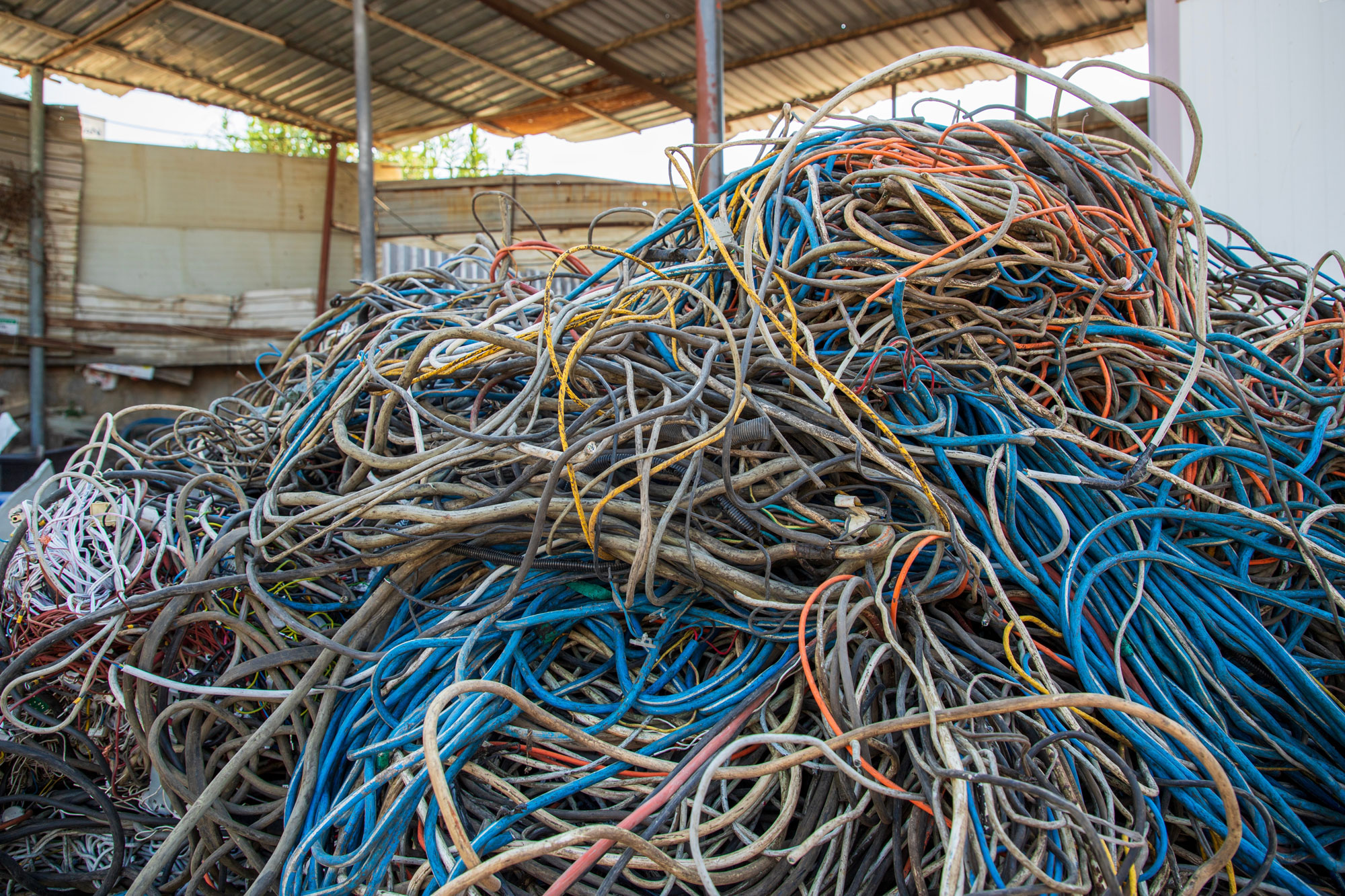
Insulated cables are very common in Perth, used in houses, commercial premises, construction sites, electricity systems, and even industrial facilities. Although people tend to regard used cables as waste material, they often have copper inside which could be extracted and reused during the process of recycling. The extraction of copper is currently one of the main benefits of insulated cable recycling.
Since copper is highly demanded in different industries, recycling of used cables conserves natural resources, avoids unnecessary wastage, and creates additional profit for people. That is why insulated cables recycling stays highly relevant to the developing recycling business in Perth.
Understanding What Is Inside Insulated Cables
Insulated cables contain mainly two materials: the wire itself and the insulation. Mostly, the wire contains copper, though sometimes aluminium is used.
The insulation acts as a shield from damage and moisture. Special machinery is used to remove the wire from the insulation material during the recycling process so that the copper can be recycled.
The presence of copper is what gives the wires value, even when they are old or damaged.
Why Copper Is One of the World’s Most Valuable Metals
The use of copper is due to its good electrical conductivity, hardness and corrosion resistance. Because of these attributes, copper is an integral part of various sectors such as:
- Electrical manufacturing
- Construction
- Telecommunications
- Energy generation
- Auto manufacturing
- Infrastructure construction
Most metals cannot be recycled repeatedly without a decrease in their performance or quality. However, copper can be, which is why recycled copper is greatly sought-after.
Growing Demand for Recycled Copper
There is an increasing demand for copper due to growing industries and evolving technology. Electric vehicles, solar power installations, batteries, and infrastructure need plenty of copper to function properly.
On the other hand, the process of mining and processing of copper requires resources. Therefore, companies start using recycled copper to cover the demand for materials.
Increasing demand guarantees that the extracted copper remains valuable enough and motivates people to participate in recycling activities.
Environmental Benefits of Copper Recovery
Copper recycling provides many environmental benefits when compared to the production of new copper through mining operations.
The recycling of copper will help to:
- Minimize the amount of mining that occurs
- Minimize energy usage
- Minimize greenhouse gas emissions
- Minimize resource use
- Minimize waste in landfills
Processing copper through the process of recycling takes much less energy than producing the metal through its extraction from copper ore.
Why Insulated Cables Are Worth Recycling
A lot of people do not realize how much value is there in old electrical cables. Contractors in the construction industry, electricians, demolition crews, manufacturers, as well as home owners, frequently produce waste from cables in their renovation, upgrade, and replacement work on equipment.
Rather than disposing the material, through recycling one can recover and reuse the metal in the cables. Cables which seem damaged, outdated, or unusable could still have recoverable metals in them.
This makes it a wise decision to recycle insulated cables for its metal value and environmental benefits.
Industries That Benefit from Recycled Copper
Recycled copper is widely used in diverse industries in Australia and even worldwide.
Copper recycling plays an essential role in the following industries:
- Production of electrical equipment
- Construction
- Energy production
- Telecommunications
- Automobile production
- Manufacture of industrial machinery
The ubiquitous use of copper means the constant need for recycled material and allows maintaining high market value of recycled copper.
Supporting Perth’s Circular Economy
Recycling copper aids the circular economy in the sense that it prolongs the usage of valuable materials. Recycling rather than exploiting new resources ensures that the already used materials can be put to use multiple times. It limits wastage and encourages sustainable production.
For the people living in Perth, engaging in insulated cable recycling creates an economy that is efficient in terms of resource utilization. With sustainability gaining increasing significance, circular economy will remain relevant across Australia.
Factors That Affect the Value of Insulated Cables
Several factors determine the cost of insulated cable waste.
They include:
- The quantity of copper
- Quality of the cable
- Weight of material
- Degree of cleanliness
- Market value of copper
- Market demands
An increase in the quantity of copper results in an increase in the price owing to the increased amount of metal that is available for recycling.
This information will help the sellers make maximum profits out of their cable scraps.
Why Copper Recovery Will Remain Important
There will be high demand for copper worldwide for several decades ahead. Innovations like electric cars, solar power plants, and sophisticated electricity grids all need substantial amounts of copper.
On the other hand, there is increasing pressure on industrial sectors to lower their impact on the environment and become sustainable.
The recycling of copper deals with both issues by providing useful resources without relying on mining activity. Thus, insulated cable recycling becomes an increasingly important area of Australia’s resource recovery sector.
Conclusion
The world will require copper for many decades to come. Technologies such as the use of electric cars, solar farms, and modern electrical grids require large amounts of copper.
However, there is growing pressure on industries to reduce their environmental impacts and make themselves sustainable.
Copper recycling provides solutions to both problems through the utilization of resources without the use of mining processes. Consequently, recycling of insulated cables has become a significant field within Australia’s resource recovery industry.